Why Enameled Lava Stone Is Ideal for a Central Island
A central island faces more varied and sustained use than almost any other surface in a home or commercial space. It must handle heat, moisture, mechanical contact, and frequent cleaning — often simultaneously. Not every material is genuinely equipped for this.
Technical performance where it matters most
Enameled lava stone meets these demands with a combination of properties that few materials can match. The enamel glaze seals the volcanic stone entirely, leaving no pores through which liquids, oils, or staining agents can penetrate. A spill on an enameled lava island is simply wiped away — no sealing, no treatment, no anxiety.
Heat resistance is equally significant. Unlike composite or resin-based surfaces, enameled lava is not damaged by hot pans placed directly on its surface. The material has already been fired at extreme temperatures during production; it handles the heat of a kitchen without flinching. The same applies to thermal shock — sudden changes in temperature leave no mark.
Two further properties define the material’s suitability for central island use:
- Scratch resistance: the hardness of the enameled surface means that knives, utensils, and heavy objects do not leave permanent marks under normal use
- Chemical resistance: cleaning products — including professional-grade agents — do not degrade or discolor the enamel, making maintenance straightforward in both domestic and commercial settings
A surface that rewards daily contact
Beyond its technical qualities, enameled lava has a physical presence that rewards use rather than resisting it. Its natural density gives it a solidity underfoot and underhand that immediately communicates quality. The subtle texture of the underlying volcanic stone remains faintly visible through the enamel, adding depth and visual interest without complicating maintenance.
This is a surface that looks better in use than in a catalogue — and that is a rare quality in any material.
Custom Enameled Lava Central Islands: Designed for Your Space
No two central islands serve exactly the same purpose or occupy exactly the same space. A kitchen island in a private residence has different requirements from a demonstration counter in a culinary showroom, or a display table in a luxury retail environment. The design process must account for all of these variables.
Tradition Pierre approaches every enameled Lava central island project as a bespoke commission. Our team works directly with homeowners, interior designers, kitchen specialists, and architects to develop a surface — and a complete island structure, where required — that fits the space precisely.
A fully personalised design process
Dimensions and format are the foundation of every project. Island tops are produced to exact measurements, accommodating recesses for sinks, hobs, or integrated accessories. Overhangs, seating sections, and multi-level configurations are all achievable without compromise on structural integrity or surface quality.
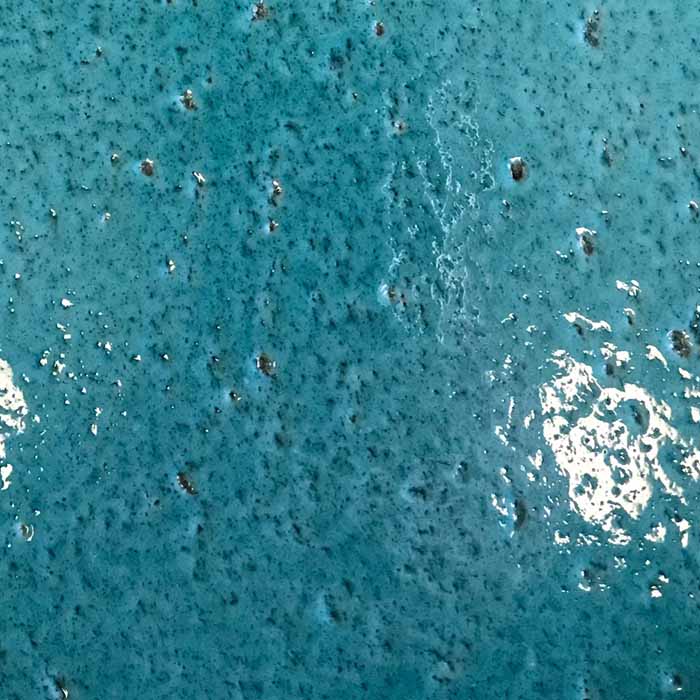
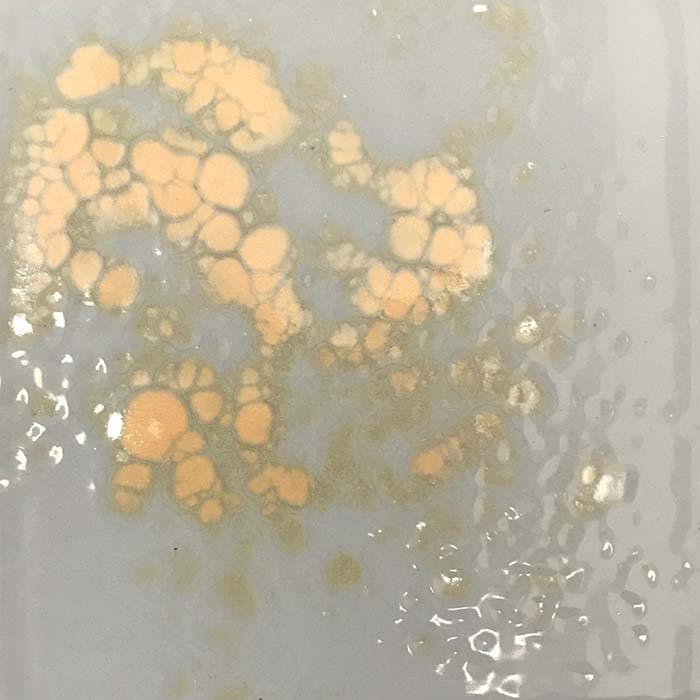
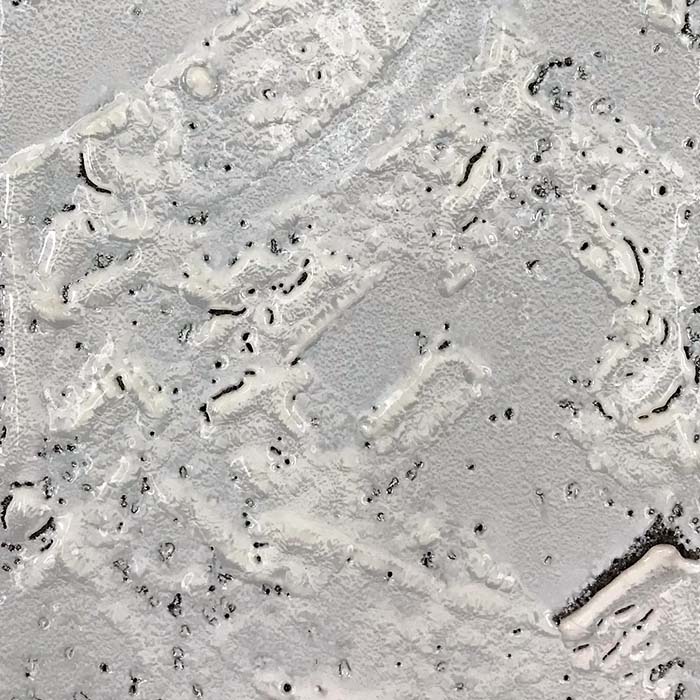
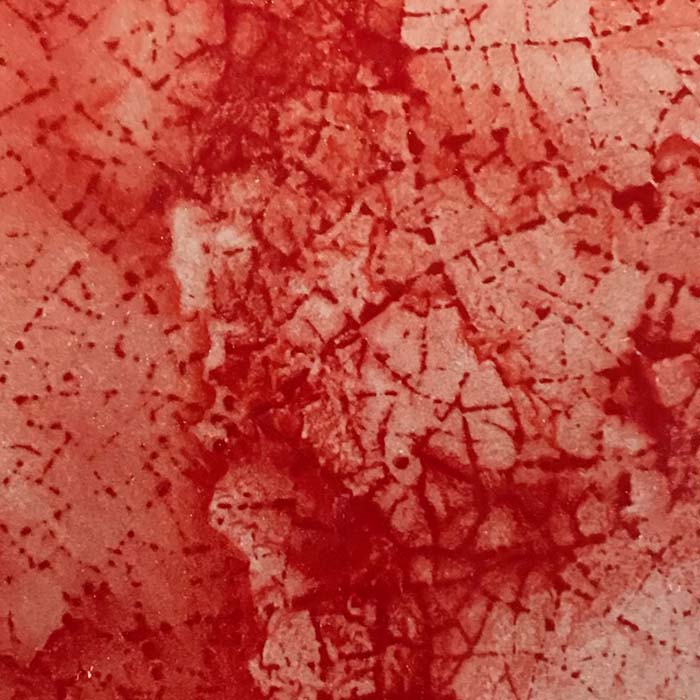
Color and finish represent the most visible dimension of customization. The enamel palette is virtually unlimited — from deep, saturated tones to subtle, chalky neutrals. Matte, satin, and gloss finishes each create a different atmosphere, and all are available across the full color range. Colors can be matched to existing design references or developed from scratch in collaboration with our team.
Edge profiles complete the design. The treatment of an island’s edge is a detail that significantly influences the overall character of the piece — from clean, contemporary lines to more sculpted, traditional profiles.
Fabrication at every stage
Each lava stone slab is selected individually for its structural quality. Enamel is applied by hand before firing. Every finished piece is inspected thoroughly before delivery.
For larger or more complex island configurations — including those combining multiple surface sections or integrating coordinated elements such as a matching backsplash or wall cladding — we ensure full chromatic consistency across all produced pieces. The island reads as a single, coherent object within the space.
Enameled Lava Central Islands Across Residential and Commercial Contexts
The appeal of an enameled lava central island extends well beyond the domestic kitchen. The combination of durability, customization, and aesthetic depth makes it equally relevant across a wide range of professional and commercial environments.
A versatile centerpiece across sectors
In residential kitchens, enameled lava islands bring a level of material quality that elevates the entire room. They pair naturally with other noble materials — solid wood cabinetry, natural stone flooring, aged brass hardware — while holding their own as the focal point of the space. Homeowners who invest in an enameled lava island consistently report that it becomes the defining feature of their kitchen.
In professional and semi-professional cooking environments, the material’s technical performance comes to the foreground. Culinary schools, catering kitchens, and chef’s tables all benefit from a surface that can withstand intensive use without showing its age.
In showrooms, retail spaces, and hospitality settings, the central island takes on a different role: it becomes a display platform, a meeting point, or a brand statement. Here, the visual qualities of enameled lava — its color precision, its depth, its handcrafted character — carry particular weight. An enameled lava island in a luxury showroom communicates the same values as the products displayed on it.
Authenticity as a long-term asset
Across all of these contexts, enameled lava brings something that manufactured surfaces cannot replicate: a genuine sense of origin and craft. The stone is natural. The process is artisanal. And that combination translates into a material that does not date, does not tire, and does not require replacement on the timescales that other surfaces do.
Designers and architects who specify enameled lava for central island projects consistently note that the material anchors a space without dominating it. It has presence without aggression. It works alongside wood, metal, glass, and concrete without competing — and without fading into the background.
Our enameled lava central islands projects
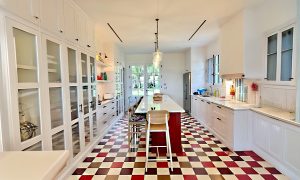
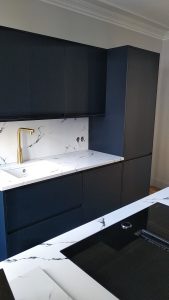
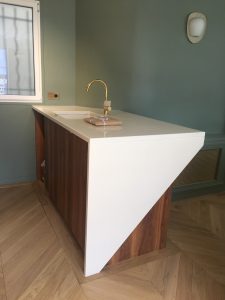
Questions about enameled lava central islands ?
In many cases, yes. An enameled lava top can be produced to fit an existing island base, provided the underlying structure is sufficiently rigid, level, and able to support the weight of the stone. We provide full technical specifications — including weight per square metre — to allow your contractor or joiner to assess compatibility and prepare the installation accordingly.
While the enameled surface is highly resistant to scratching under normal use, we recommend using a chopping board for food preparation, as you would with any quality kitchen surface. Direct cutting with a sharp knife will not damage the stone, but it may leave fine marks on the enamel over time with repeated use. Protecting the surface with a board also protects your knives.
Yes. Cutouts for hobs, sinks, drainage channels, and other integrated elements are planned and executed during the production process. This is one of the most common requests for kitchen island projects, and it is handled with precision to ensure clean, functional integration. All requirements of this kind should be discussed and confirmed at the design stage.
Enameled lava and sintered stone or quartz share some surface properties — notably hardness and stain resistance — but differ significantly in origin, character, and aesthetic. Enameled lava is a natural material, hand-finished using a traditional artisanal process. Its appearance has depth, variation, and a tactile quality that engineered surfaces do not replicate. For those seeking a surface with genuine material authenticity and bespoke customization, enameled lava offers a distinct alternative to industrial options.
Very little. The enamel surface requires no sealing, no periodic treatment, and no specialist cleaning products. Regular wiping with a damp cloth or a standard household cleaner is sufficient for day-to-day maintenance. Unlike natural stone surfaces such as marble or limestone, enameled lava does not need to be resealed after installation or following exposure to acidic substances.
Enameled lava is an excellent candidate for outdoor kitchen islands. The material is naturally frost-resistant and UV-stable, meaning color and surface integrity are not affected by prolonged exposure to sunlight, rain, or temperature variation. It has been used successfully in covered outdoor kitchens, terraces, and garden cooking spaces across a wide range of climates. For fully exposed installations, we recommend discussing the specific conditions of your project with our team to ensure the most appropriate finish and installation method are selected.
Yes. For island tops that exceed standard slab dimensions, or for L-shaped and U-shaped configurations, the surface is produced in multiple sections. Each section is manufactured simultaneously to guarantee full color and texture consistency across the entire top. The joints between sections are planned and positioned carefully during the design phase — typically aligned with structural supports or design breaks — so that they read as intentional details rather than visible seams.