Why Choose Enameled Lava for a Side Table
A surface that handles daily use without compromise
A side table takes more abuse than it looks. Hot mugs, cold glasses, spilled drinks, keys dropped carelessly — the surface has to handle all of it. Enameled lava is one of the few materials that genuinely does.
The enamel layer, fired at over 900°C, fuses with the volcanic rock and creates a vitrified surface that does not absorb liquids, does not stain and does not scratch under normal use. A hot cup placed directly on the surface leaves no mark. A glass of red wine wiped away leaves nothing behind. Maintenance is reduced to a simple wipe with a damp cloth.
This level of performance is not typical of decorative materials. It is usually associated with industrial or laboratory surfaces — which is precisely where enameled lava has been used for decades before making its way into interior design.
A crafted object, not a manufactured product
Every enameled lava side table produced by Tradition Pierre is made to order in our French workshop. There is no standard catalog, no off-the-shelf option. Each piece is defined according to the client’s project: dimensions, enamel color, edge profile, thickness.
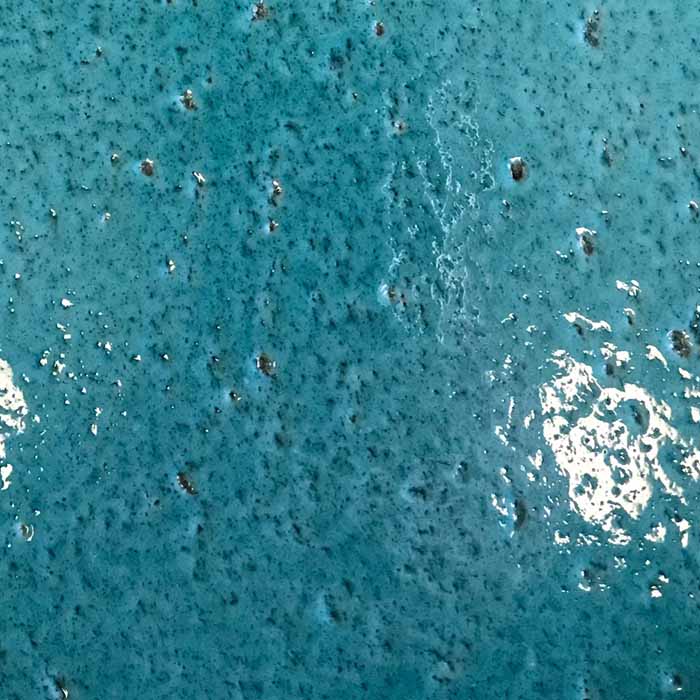
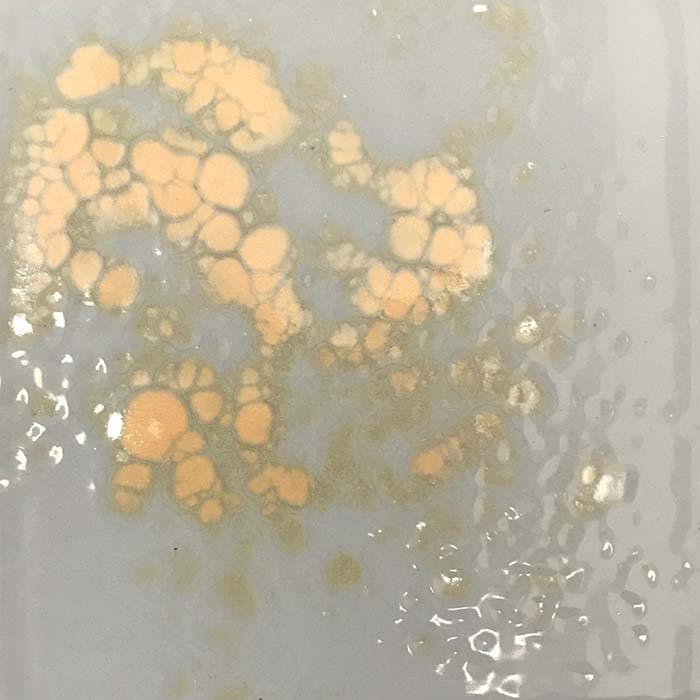
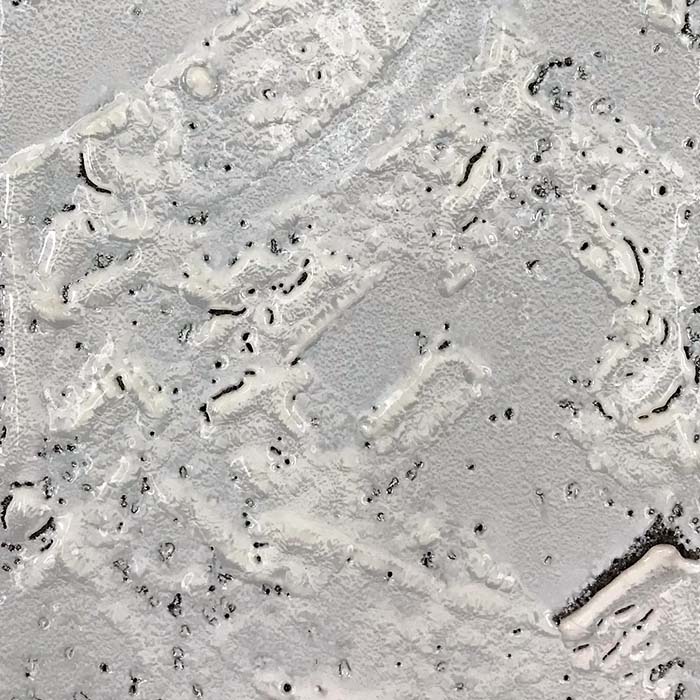
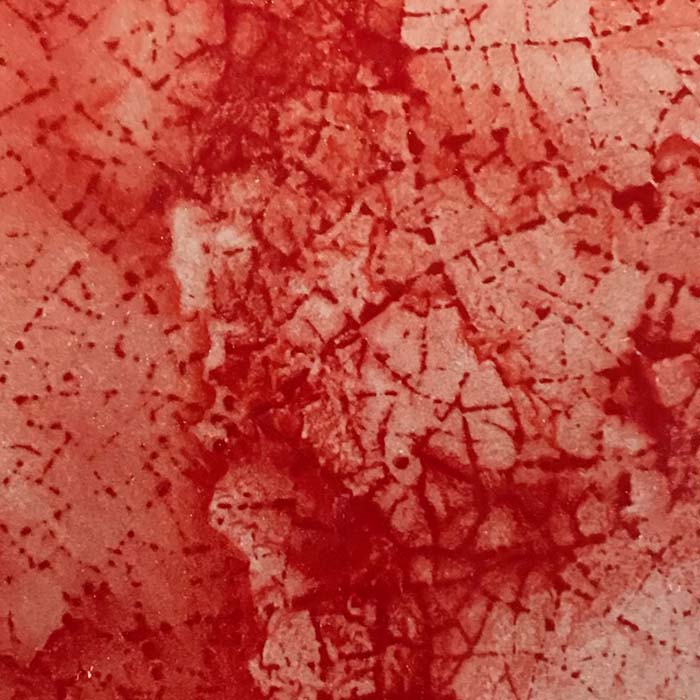
This means the side table can be designed to fit a specific space, match an existing color palette, or complement a particular piece of furniture. The color is selected from physical samples, validated before production begins, to ensure the final result matches the project exactly.
The result is not just a functional surface. It is a piece that carries the identity of the space it was designed for.
Designing a Side Table in Enameled Lava: What to Consider
Format, thickness and proportions
Every enameled lava side table is a bespoke piece, designed and produced according to the specifications of each project. There is no standard size, no fixed format — the dimensions, thickness and proportions are defined case by case, in line with the intended use and the surrounding environment.
The thickness of the top is selected to provide the right balance between visual weight and structural integrity. A thicker slab brings presence and substance to the piece, while a finer profile offers a lighter, more contemporary appearance. This choice is made in coordination with the base and the overall design intent.
The top itself can take any shape — square, rectangular, round, oval or custom-drawn. Edge profiles are equally flexible, ranging from sharp, architectural edges to softened or beveled finishes that refine the silhouette of the piece. These details, often overlooked, have a significant impact on the final character of the side table.
Finally, the proportions of the top relative to the base require careful consideration. A lava top is heavier than glass or wood, and the relationship between surface and support must be studied from the design phase — both to ensure structural stability and to achieve a balanced, harmonious result.
Pairing the top with the right base
Enameled lava tops can be paired with a variety of bases — metal, stone, enameled lava, or solid wood. The choice of base affects both the aesthetics and the structural behavior of the piece. A base that is too light or too flexible can create mechanical stress on the stone top over time.
Tradition Pierre offers bases designed specifically to support enameled lava tops, with fixing systems integrated during the fabrication process. For clients working with their own base or a third-party designer, technical specifications are provided to ensure a safe and seamless assembly.
All about enameled lava side table
The weight depends on the dimensions and thickness of the top. A typical 60 x 60 cm top at 20 mm thickness weighs approximately 15 to 20 kg. This is heavier than glass or wood of equivalent size, which is why the base must be properly dimensioned. Weight specifications are provided for every custom order.
Yes. Enameled lava naturally resists frost, UV exposure and temperature variations. It does not fade, crack or degrade when exposed to the elements. For outdoor use, the base material should also be selected for exterior conditions — powder-coated steel, stainless steel or treated stone are common choices.
The enamel is applied uniformly, but the volcanic rock beneath it retains its natural texture and subtle variations. This means the color reads as consistent while the surface itself remains alive and slightly irregular — which is precisely what distinguishes enameled lava from ceramic or synthetic alternatives.
Yes. Tradition Pierre regularly produces tops designed to fit existing bases. The dimensions, fixing points and edge profiles are defined based on the base specifications provided by the client. A technical exchange is required before production to ensure full compatibility.
When properly fired and handled, the enamel is extremely durable and does not chip under normal use. Like any mineral surface, it can be damaged by a sharp, heavy impact at a vulnerable point — typically a corner or edge. Standard use, including placing and removing objects repeatedly, does not affect the surface integrity.